
- 0484-2463825, 2466066, 2461933


- College Code:

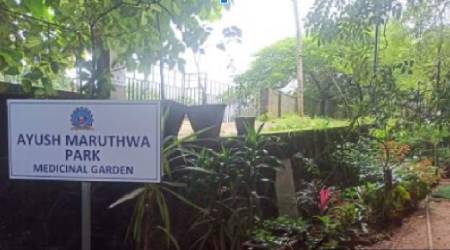
Ayush Maruthwa Park
The Ayush Maruthwa Park at Adi Shankara Institute of Engineering and Technology is a dedicated medicinal plant garden that celebrates the rich heritage of traditional Indian medicine. This thoughtfully curated garden is home to a diverse array of medicinal plants, each known for its healing properties and significance in Ayurveda, Yoga, Unani, Siddha, and Homeopathy (AYUSH). The park serves as a living laboratory for students and researchers, offering hands-on experience in identifying and understanding the medicinal value of various plants. It also plays a vital role in promoting the importance of natural remedies and sustainable practices, contributing to the holistic education of the ASIET community.
The medicinal plants in AYUSH Maruthwa Park are carefully selected for their therapeutic properties and traditional uses in Indian medicine. Species such as Tulsi (Holy Basil), known for its immune-boosting effects, Neem with its antibacterial properties, and Amla (Indian Gooseberry), rich in Vitamin C, are just a few examples of the valuable flora nurtured in the garden. The park not only preserves these precious plants but also serves as a resource for educating students and the local community about the benefits of herbal medicine. By cultivating and studying these plants, ASIET reinforces the connection between ancient wisdom and modern science, promoting the conservation of biodiversity and the sustainable use of natural resources.
Vegetable Garden
The vegetable garden near Boy’s hostel at Adi Shankara Institute of Engineering and Technology is a thriving green space that emphasizes the importance of sustainability and self-sufficiency. This garden is meticulously maintained, producing a variety of fresh, organic vegetables that contribute to the campus's eco-friendly initiatives. Beyond its role in providing nutritious produce, the garden serves as a practical learning environment where students can engage with sustainable agricultural practices, understanding the value of organic farming and the farm-to-table concept. The initiative also fosters a sense of community and responsibility among students, encouraging them to participate in the cultivation and maintenance of the garden, thereby promoting environmental stewardship and healthy living. This underscores ASIET's dedication to integrating sustainable practices into daily life and inspiring future generations to adopt an eco-friendlier lifestyle.
© Adi Shankara Institute of Engineering Technology 2026. All Rights Reserved
Developed by Web Design Company Kerala Intersmart